@silviakillings @Tobin_Tweets @ashleevance For ten years I wasn't okay; hopelessness isn't fun. I'm sharing with everyone - at no cost - what I did to get myself back above water. Unsure who you hang with in life but a legitimate question to me seems: is anyone ever really okay?
@JQT_web3vc @newley @ashleevance 😀, and then there's also what's happening inside the body
@SarahNEmerson It's detailed here (min 18:53) and here
@MichaelDKarras @TheStalwart @ashleevance For this reason I just launched so that you can put to the test your current lifestyle, favorite guru, celebrity physician, biohacker, fad diet, self help book, and critic. Data > human opinion.
@kendallbaker @DjokerNole Novak I come in peace. With Blueprint you can still bless your water
8/backstory: the DunedinPACE Study follows the lives of 1037 babies born in 1972/73. The speed of aging algorithm was created by looking at over 1,000 individuals’ data at 173 CpG sites. Learn more:
8/backstory: the DunedinPACE Study follows the lives of 1037 babies born in 1972/73. The speed of aging algorithm was created by looking at over 1,000 individuals’ data at 173 CpG sites.
Learn more:
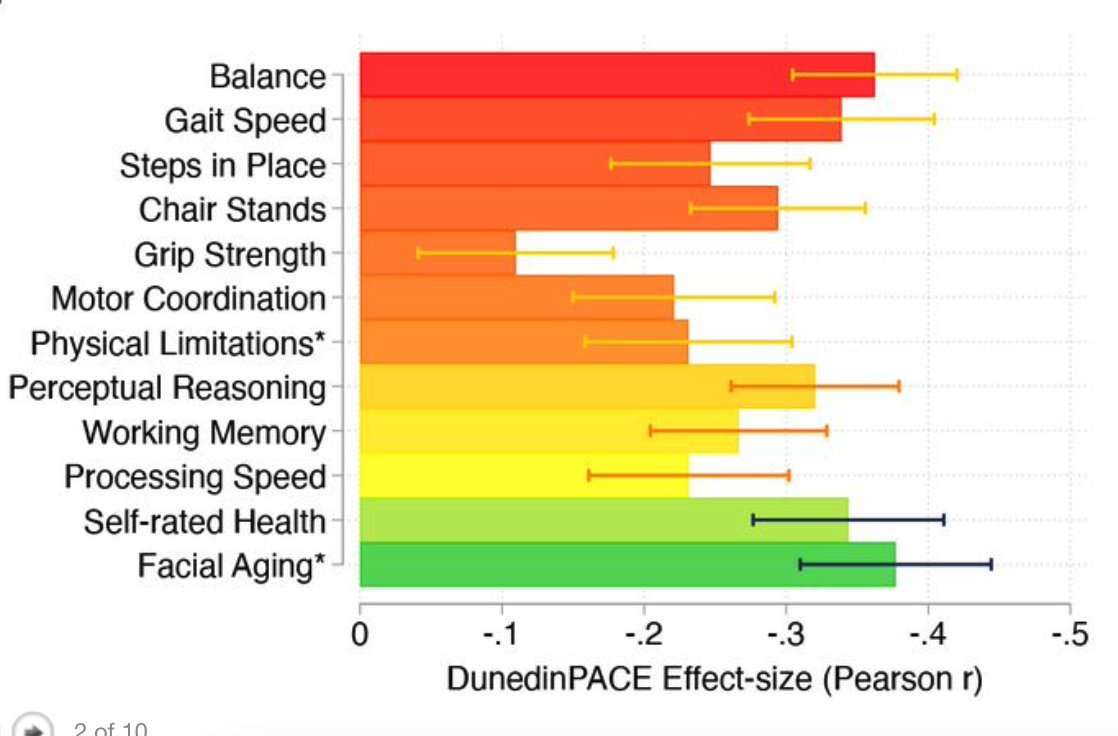
6/This speed of aging algorithm is correlated to multiple quality of life measures including grip strength, balance, walking speed, motor coordination, lack of physical limitations, perceptual reasoning, IQ, mental processing speed, self-rated health and…
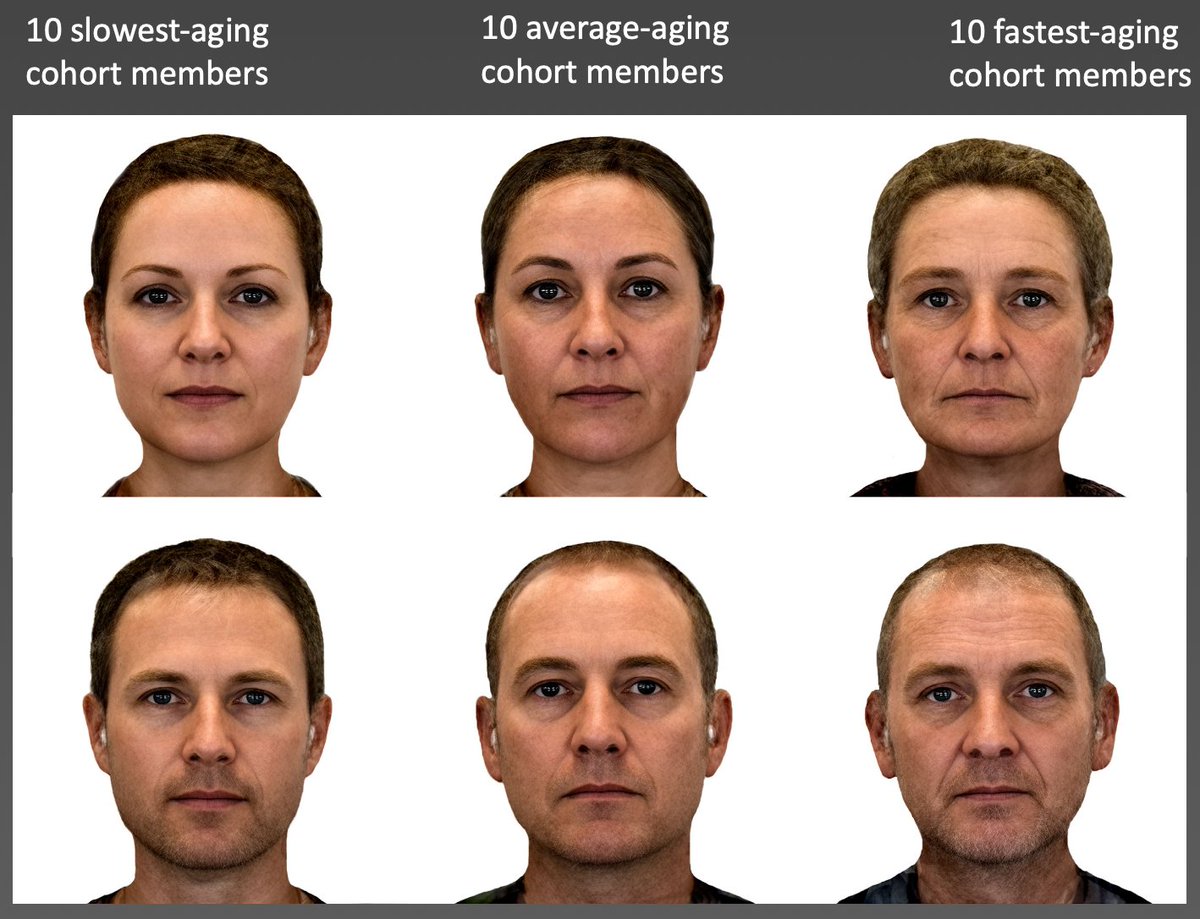
7/ facial aging
4/Even being slightly above an aging rate of 1 biological year/chronological year can increase your risk of death by 56% in the next 7 years and increase your risk of a chronic disease diagnosis by 54% over the next 7 years.
5/Fast agers were 16% more likely to die and 23% more likely to develop a chronic disease. That means they were 65% more likely to die in the cohorts than those at normal or slow aging.