RT @hannu: Very proud of the @HelixNano team rising up to the global COVID-19 challenge 💪
Humans are especially vulnerable to threats w/ these 3 characteristics: 1. Cannot be perceived by 5 senses 2. No dopamine feedback loops 3. Slow, then lightning fast (an exponential) Examples: #COVIDー19, greenhouse gases
Humans are especially vulnerable to threats w/ these 3 characteristics:
1. Cannot be perceived by 5 senses 2. No dopamine feedback loops 3. Slow, then lightning fast (an exponential)
Examples: #COVIDー19, greenhouse gases
This pandemic is equal parts #COVIDー19 and human cognition
At @KernelCo, we are eager to learn #COVIDー19 best practices from others. Here is how we adapted and evolved this week.
#COVIDー19 is like a surprise school exam, that your teacher told you would be coming. It was in the syllabus, the teacher reminded the class several times, and yet when it arrives, it is abrupt chaos! It is tough being human.
#COVIDー19 is like a surprise school exam, that your teacher told you would be coming. It was in the syllabus, the teacher reminded the class several times, and yet when it arrives, it is abrupt chaos!
It is tough being human.
John Adams intuition focusing on the highest leverage points - in context to his time and place - to scaffold society: "I must study politics and war that my sons may have liberty to study mathematics and philosophy."
John Adams intuition focusing on the highest leverage points - in context to his time and place - to scaffold society:
"I must study politics and war that my sons may have liberty to study mathematics and philosophy."
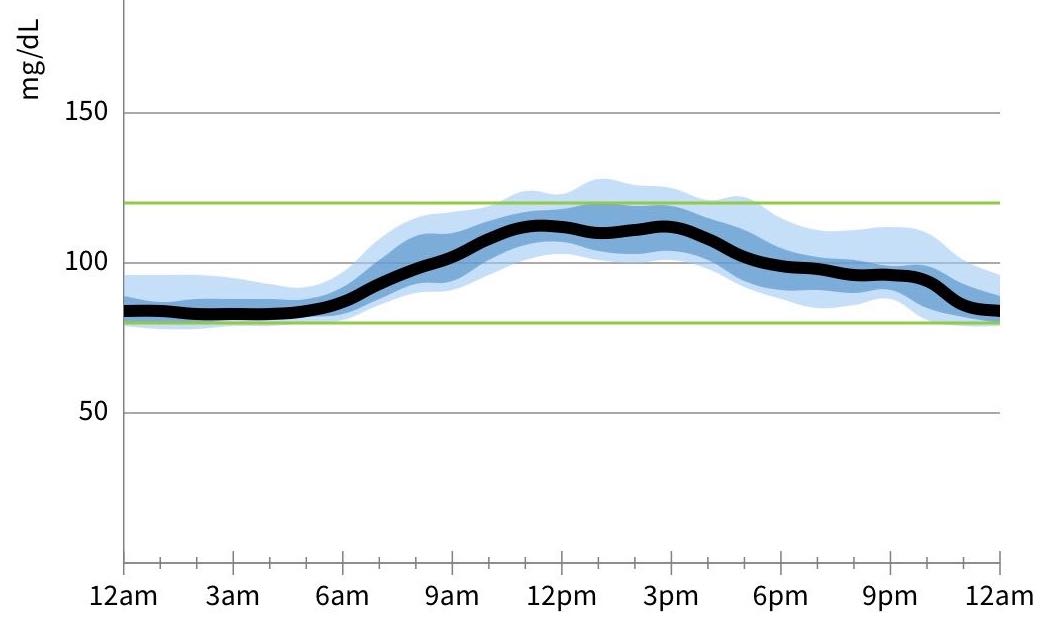
Just finished 14 days of continuous glucose measurement using FreeStyle Libre. I do it once every three months to calibrate diet and lifestyle. It is invaluable for immediate, actionable insights. Here are my results:
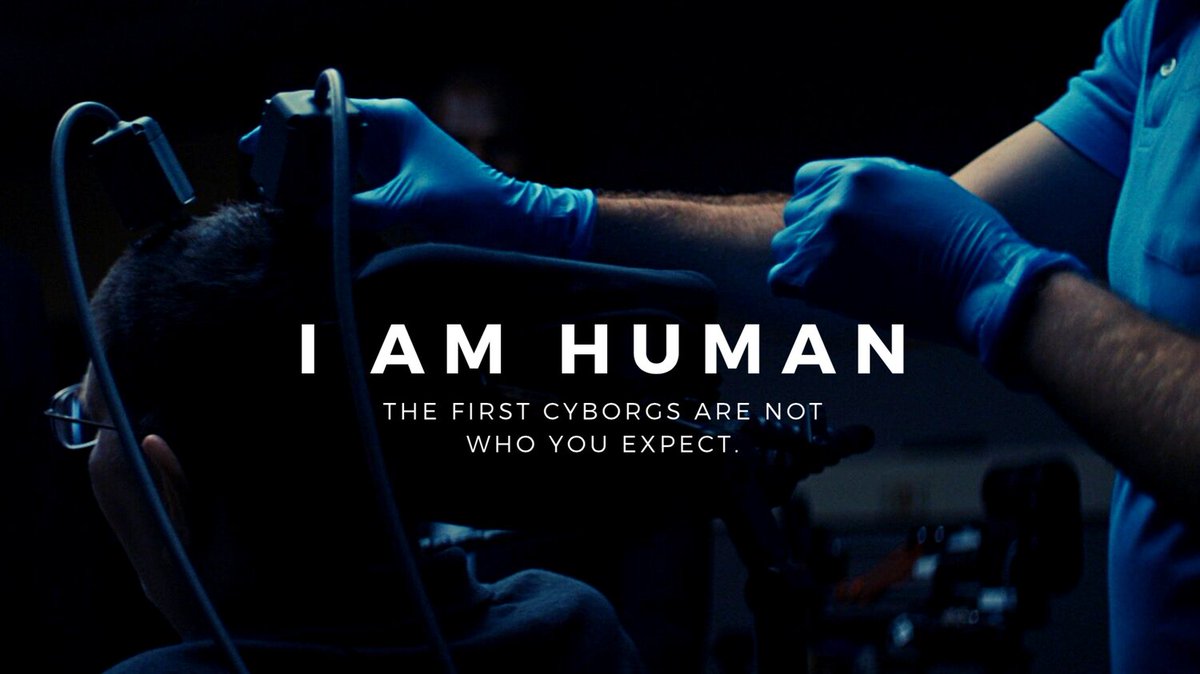
This Wed, Feb 12th, @MindshareLA will be screening @iamhuman, a sci-fi documentary following three people with implantable brain interfaces. I will be there for a post-screening panel with several special guests.
“Maybe human brains aren’t equipped to understand themselves,” by @guitchounts
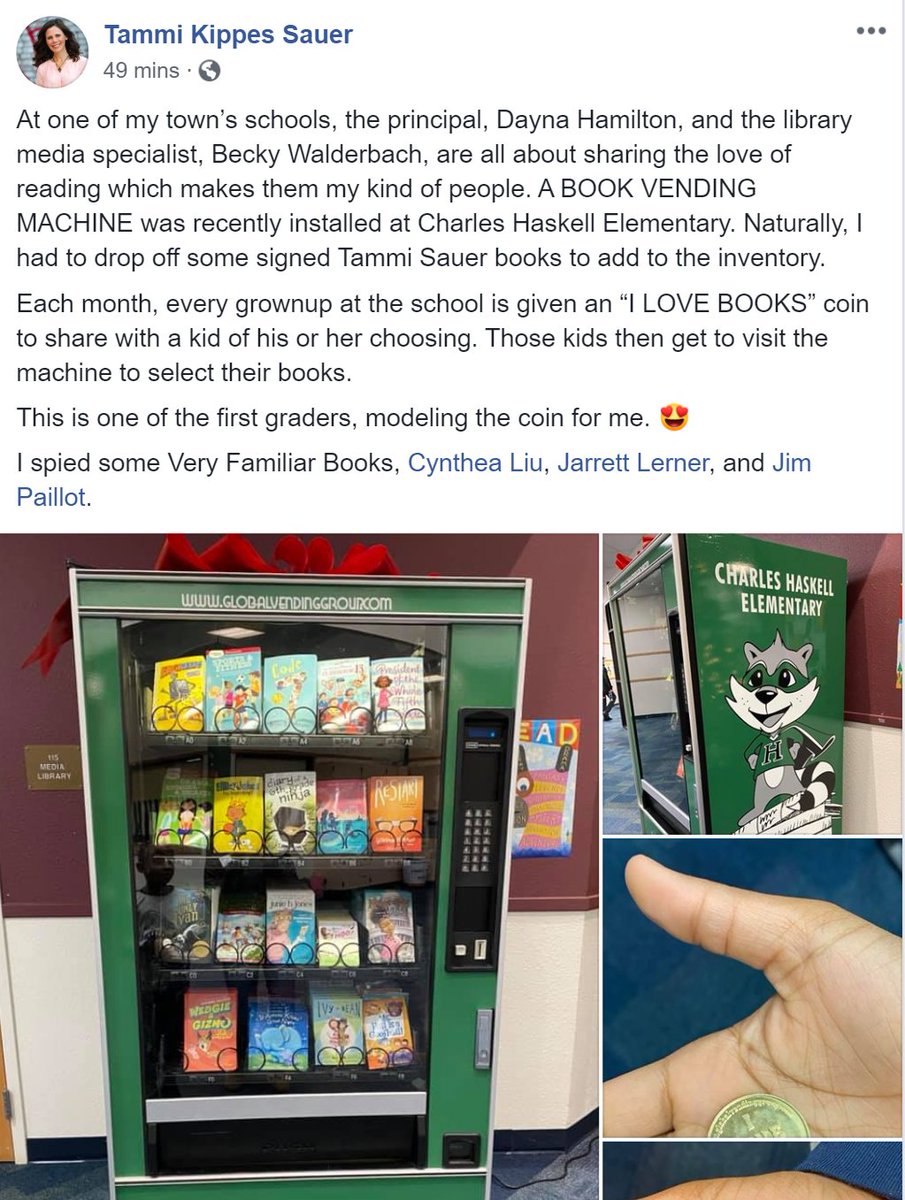
My children's book, Code 7, ended up in a vending machine at Charles Haskell Elementary. Book worms eating words instead of sugar.